If you want one set of tires that can handle highway commuting Monday through Friday and still feel confident on gravel, dirt, light mud, rocks, and snow on the weekend, you’re looking for the best all terrain tires.
All-terrain (A/T) tires are the sweet spot between street-friendly highway tires and aggressive mud-terrain (M/T) tires. The right A/T tire can deliver:
Solid wet grip for everyday driving
Predictable steering and braking on pavement
Better puncture resistance and traction off-road
Long tread life (if you choose wisely and maintain them)
Snow capability—especially if the tire carries the 3PMSF rating (Three-Peak Mountain Snowflake)
But not all all-terrain tires are built the same. Some prioritize quiet road manners and mileage, while others focus on off-road bite and tough sidewalls. That’s why “best” depends on how you drive, what you drive, and where you drive.
This guide breaks down the best all terrain tires by use case (daily driver, towing, snow, rocky trails, mixed terrain), explains what to look for, and helps you avoid common mistakes—like buying a tire that looks tough but performs poorly in the rain.
Quick Picks: Best All Terrain Tires at a Glance
If you want the shortlist first, start here:
Best overall all-terrain tire: Falken Wildpeak A/T3W
Best for off-road toughness + proven reputation: BFGoodrich All-Terrain T/A KO2
Best for towing + heavy trucks (LT focus): Cooper Discoverer AT3 XLT
Best for balanced on-road comfort: Continental TerrainContact A/T
Best for wet traction + modern daily driving: Toyo Open Country A/T III
Best for snow-biased all-terrain driving (3PMSF options): Yokohama Geolandar A/T G015
Best “hybrid” look and feel (A/T + street performance vibe): Nitto Ridge Grappler
Best value all-terrain tire: General Grabber A/TX
(Availability varies by size; always match your vehicle’s required load rating and size.)
What “All-Terrain” Really Means (And What It Doesn’t)
All-terrain tires are designed to do many jobs well, not one job perfectly.
What a good A/T tire does well
Maintains stable highway handling
Provides extra grip on gravel, dirt, sand, and mild mud
Resists cuts/chips better than typical road tires
Often includes snow-focused features and may carry 3PMSF
What an A/T tire usually won’t do as well as a specialist tire
Deep mud performance (M/T wins)
Maximum fuel economy (street tires win)
Sports-car-like cornering (performance tires win)
Quietest possible ride (touring tires win)
If you want the best all terrain tires, choose based on your “most common hard scenario.” For some drivers, that’s rainy highways. For others, it’s snowy backroads. For off-roaders, it’s sharp rocks and sidewall abuse.
How to Choose the Best All Terrain Tires for Your Vehicle
1) Start with the correct tire type: P-metric vs LT
P-metric (Passenger-rated) A/T tires are often smoother and lighter, great for SUVs and daily driving.
LT (Light Truck) tires are built tougher with stronger construction, better for trucks, towing, hauling, and off-road impacts—but they can ride firmer and weigh more.
If you tow regularly, carry heavy loads, or run rocky trails, LT tires usually make sense.
2) Understand load range (especially for trucks)
Load range matters. For LT tires, you’ll commonly see:
C (lighter duty)
D (middle)
E (heavy duty)
More load capacity often means stiffer ride and more weight, so don’t overbuy if you don’t need it.
3) Look for 3PMSF if you drive in real winter conditions
The 3PMSF symbol indicates the tire meets a standardized minimum for snow traction. If you deal with snow and cold regularly, a 3PMSF A/T is often a smart move.
4) Choose tread design based on your terrain
More open voids + aggressive shoulders = better off-road bite
More continuous tread blocks = quieter ride + better highway stability
Extra siping + winter compound behavior = better wet/snow grip
5) Be realistic about road noise and fuel economy
Aggressive A/T tires often:
Make more noise as they wear
Reduce MPG slightly due to weight and rolling resistance
If you’re mostly commuting, prioritize a tire known for comfort and wet grip.
Best All Terrain Tires: In-Depth Reviews (Top Options)


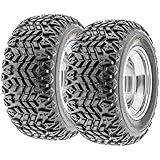
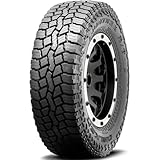


1) Falken Wildpeak A/T3W — Best Overall All-Terrain Tire
Best for: Drivers who want one tire that handles almost everything well
Why it’s a top pick: Balanced traction, winter readiness, and strong real-world reputation
Highlights
Excellent all-around traction: wet roads, gravel, dirt, light mud
Often praised for confident winter performance in A/T category
Durable tread design with practical off-road capability
Potential downsides
Can be heavier than some competitors (may affect MPG)
Some sizes may feel firmer depending on load rating
Bottom line: If you want a “do-it-all” answer to best all terrain tires, this is one of the strongest default picks.
2) BFGoodrich All-Terrain T/A KO2 — Best for Off-Road Toughness + Track Record
Best for: Off-road enthusiasts, overlanders, and drivers who want a proven classic
Why it’s popular: Tough sidewalls, recognizable design, strong trail credibility
Highlights
Strong sidewall durability for rocky or rough terrain
Aggressive shoulder design helps in loose surfaces
Widely available in truck/SUV sizes
Potential downsides
Wet traction can vary by driver expectations and wear
Road noise may increase as tread wears (common for aggressive A/Ts)
Bottom line: If you prioritize toughness and want a widely trusted A/T, KO2 remains a go-to option.
3) Toyo Open Country A/T III — Best for Wet Traction + Balanced Daily Driving
Best for: Daily drivers who still want real off-road capability
Why it stands out: Modern tread design that aims to improve wet grip while staying rugged
Highlights
Strong wet performance focus for an A/T tire
Good balance of comfort and capability
Suitable for mixed highway and weekend trails
Potential downsides
Availability varies by region and size
Aggressiveness depends on size/fitment
Bottom line: If rain performance matters and you still want a tough A/T look and function, this is a compelling choice.
4) Cooper Discoverer AT3 XLT — Best for Towing and Heavy-Duty Work
Best for: Trucks that tow, haul, or see jobsite conditions
Why it fits: Built for load stability, durability, and long service
Highlights
Great choice for heavier vehicles and regular towing
More stable feel under load than many softer A/T options
Practical tread for dirt, gravel, and work zones
Potential downsides
Firmer ride (especially in higher load ranges)
Not the quietest option for long highway commutes
Bottom line: For work trucks and towing, this is often among the best all terrain tires in the “real truck use” category.
5) General Grabber A/TX — Best Value All-Terrain Tire
Best for: Drivers who want strong capability without premium pricing
Why it’s a value pick: Competent in mixed terrain with a tough-looking tread
Highlights
Solid traction in gravel, dirt, and light mud
Durable construction reputation for the price tier
Often a strong “bang for the buck” option
Potential downsides
Noise and comfort depend heavily on size and vehicle
Not always the top performer in wet/snow compared to premium-focused A/Ts
Bottom line: If you want the best all terrain tires on a budget, A/TX is a smart short-list option.
6) Yokohama Geolandar A/T G015 — Best for Snow-Biased All-Terrain Driving
Best for: Drivers who see frequent snow/rain and want confident everyday traction
Why it works: Road-friendly manners plus winter-focused design cues in many sizes
Highlights
Often chosen for wet/snow confidence in A/T category
Comfortable on-road behavior for an all-terrain
Good choice for SUVs and daily driving
Potential downsides
Not the most aggressive off-road tire in deep mud
Sidewall toughness may not match the most hardcore options
Bottom line: If your “terrain” includes winter roads more than rocky trails, this can be one of the best matches.
7) Continental TerrainContact A/T — Best for Quiet Comfort + On-Road Handling
Best for: Mostly highway drivers who still want light off-road capability
Why it’s different: Leans toward refined road behavior
Highlights
Often quieter and smoother than aggressive A/T patterns
Strong option for crossovers/SUVs that see occasional dirt/gravel
Predictable steering feel on pavement
Potential downsides
Not the first choice for serious off-road abuse
Less aggressive bite in mud compared to rugged A/Ts
Bottom line: If you want an A/T that behaves like a road tire most of the time, this is a top-tier pick.
8) Goodyear Wrangler Duratrac — Best for Aggressive Bite (Snow/Mud Lean)
Best for: Drivers who want a more aggressive A/T for mixed winter and loose terrain
Why people buy it: Noticeably aggressive traction compared to many A/Ts
Highlights
Strong bite in loose surfaces
Often used by drivers who want near M/T looks with more versatility
Popular for winter and backroad driving (depending on size/version)
Potential downsides
Can be louder than more road-focused A/Ts
Tread wear can be highly dependent on rotation/alignment
Bottom line: If you want extra aggression without fully committing to a mud tire, it’s a known option.
9) Nitto Ridge Grappler — Best Hybrid A/T for Style + Street Performance Feel
Best for: Trucks/SUVs that want a tough look with a more “performance” vibe
Why it’s popular: Hybrid pattern bridging A/T and street-friendly behavior
Highlights
Great visual style, popular on lifted trucks
Balanced road manners for an aggressive-looking tread
Handles mixed terrain better than a pure street tire
Potential downsides
Not a dedicated winter champ in all conditions
Premium pricing in some sizes
Bottom line: If aesthetics matter but you still want function, it’s a strong “hybrid A/T” pick.
10) Michelin LTX A/T2 — Best for Long-Lasting, Road-Focused All-Terrain Use
Best for: High-mileage drivers who want light A/T capability
Why it earns a spot: Smooth ride, long wear reputation, and everyday confidence
Highlights
Comfortable road ride for daily commuting
Often chosen for longevity and stability
Great for light trails, gravel roads, and mild off-road
Potential downsides
Not the tire for deep mud or serious rock crawling
Less aggressive tread appearance
Bottom line: If your “all terrain” is mostly pavement plus occasional unpaved roads, this can be one of the smartest buys.
Best All Terrain Tires by Use Case
Best all terrain tires for daily driving (mostly highway)
Look for comfort + wet braking + lower noise:
Continental TerrainContact A/T
Yokohama Geolandar A/T G015
Michelin LTX A/T2
Best all terrain tires for snow and winter roads
Prioritize 3PMSF and siping:
Falken Wildpeak A/T3W
Yokohama Geolandar A/T G015
(In some cases) Goodyear Wrangler Duratrac
Best all terrain tires for towing and heavy loads
Prioritize LT construction and stability:
Cooper Discoverer AT3 XLT
BFGoodrich KO2 (LT variants)
Toyo Open Country A/T III (LT variants)
Best all terrain tires for off-road trails and rocky terrain
Prioritize sidewall strength + cut resistance:
BFGoodrich KO2
Falken Wildpeak A/T3W
General Grabber A/TX
Best value all terrain tires
General Grabber A/TX
(Depending on your local availability) Kumho Road Venture AT51
Common Mistakes When Buying All-Terrain Tires
1) Buying the most aggressive tread for a mostly-highway life
It looks awesome—until wet braking, road noise, and MPG disappoint you.
2) Choosing the wrong load range
A Load Range E tire on a lighter SUV can ride harshly and feel heavy.
3) Ignoring tire weight
Heavier tires can:
reduce acceleration feel
increase braking distances slightly
lower fuel economy
4) Not rotating regularly
All-terrain tires need consistent rotation to prevent uneven wear and noise.
How to Make All-Terrain Tires Last Longer (Real-World Tips)
Rotate every 5,000–8,000 miles (or with every oil change)
Keep alignment in check—A/T tread hides wear until it’s too late
Maintain proper inflation (don’t guess; use your door-jamb sticker as a baseline)
If you off-road, inspect after every trip for cuts, sidewall damage, and embedded stones
Balance tires if you feel vibration—uneven wear comes fast on heavier A/T setups
FAQ: Best All Terrain Tires
Are all-terrain tires good in the rain?
Yes—good all-terrain tires can be very capable in rain, but designs vary. If wet traction is a top priority, choose an A/T known for wet grip and keep tread depth healthy.
Are all-terrain tires good in snow?
Many are, especially if they have the 3PMSF rating. However, in severe winter conditions (ice + deep snow), a dedicated winter tire still performs better.
Do all-terrain tires hurt gas mileage?
Often, yes—slightly. Heavier construction and chunkier tread increases rolling resistance. The impact depends on tire model, size, and vehicle.
How long do all-terrain tires last?
It depends on driving, rotation habits, alignment, and tire model. Many A/T tires are built for long life, but aggressive driving and heavy loads shorten lifespan.
Can I put all-terrain tires on a crossover?
Yes—just choose a road-friendly A/T and stick to the correct size and load rating. Some A/T models are better suited to SUVs/crossovers than heavy-duty trucks.
Conclusion: What Are the Best All Terrain Tires for Most Drivers?
The best all terrain tires are the ones that match your real driving—your climate, your roads, your load, and how often you genuinely leave pavement.
If you want the safest “covers almost everything” choice, the Falken Wildpeak A/T3W is one of the strongest all-around options for mixed terrain and changing weather. If your priority is rugged trail toughness and a proven name, the BFGoodrich KO2 remains a go-to. If you tow or carry heavy loads regularly, the Cooper Discoverer AT3 XLT is a smart work-focused pick. And if you want a more refined daily drive with light off-road ability, the Continental TerrainContact A/T is hard to beat.
Use the buyer’s guide above to match your use case, choose the right load rating, and prioritize 3PMSF if winter is part of your year. Do that, and you’ll end up with a tire that feels confident on the highway—and still shows up when the road turns to gravel, snow, or dirt.